
What Is The Power of Kindness?
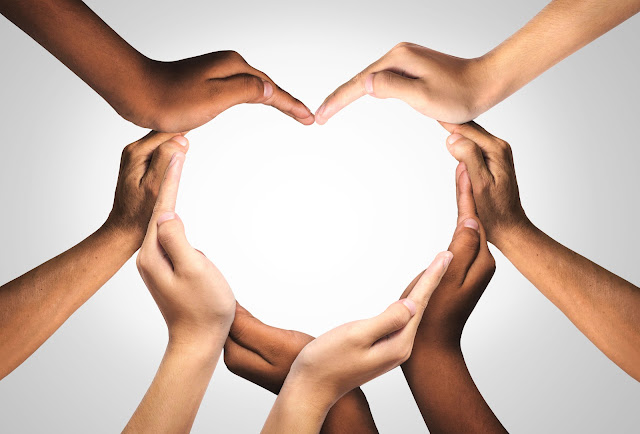
 

The Power of Kindness

Photo Credit: Puttachat - stock.adobe.com

Wherever you first heard it, chances are that you have encountered some variation of the phrase, “He who saves a single life, saves the world entire.” This ages-old precept may sound cliché, but there is truth to it. And one of the easiest and most effective means of saving a life is by exhibiting basic humanity and compassion. This blog post will discuss the power of kindness and the effect it can have on New York City’s homeless population.

What Does It Mean To Be Kind? 

Before we delve any further, we want to stress that kindness is separate from niceness. The latter involves a generally appealing and inoffensive nature, which will change from culture to culture. For example, your definition of a “nice” boy or girl might differ from your grandmother’s. Kindness is something much more profound and universal. It involves curiosity about and empathy for our fellow travelers and their struggles as well as actions taken to relieve some of their burdens. 

What Is The Most Effective Act of Kindness Toward New York’s Homeless Population? 

Being kind toward New York’s most vulnerable residents goes beyond giving them money or some food. Indeed, the greatest kindness you can bestow is completely free. In America, to be homeless is to be, to all intents and purposes, invisible. The simplest, but most profound act you can perform is to engage in genuine conversation with someone - preferably in a safe setting and under appropriate circumstances - and let them give vent to long-suppressed thoughts and feelings without judgment. By providing a sympathetic ear, you recognize someone’s humanity, help to foster community and affirm people’s dignity, which are crucial to combating the despair and depression that tend to prolong homelessness and prevent treatment. [1

Is There Any Benefit to Kindness? 

When we perform or are the recipients of kind acts, our brains release influxes of positive hormones like serotonin and dopamine as well as endorphins, the body’s natural painkillers. These hormones can counter the damaging effects of cortisol and other stress hormones and lead to happier and more satisfying lives. Oftentimes, kindness begets kindness. [2] Whether you become hooked on the “helper’s high” or inspire others to perform their own acts of kindness, you are contributing to the formation of a better world. 

If you would like to help or need help yourself, Mentor A Promise and its network of partner organizations offer you many opportunities. 

Contact Mentor A Promise Today 

Our organization recognizes the immense potential within each individual and seeks to provide them with the educational resources and opportunities they need to thrive. To that end, we have built a strong network of family shelters, educational institutions and community organizations to support homeless children, youths and their families. Click these links to learn more about what we offer or to get involved. Together, we can break the cycle of homelessness. 

Comments

Popular posts from this blog

Can Art Heal Homeless New Yorkers?

Photo Credit: BillionPhotos.com - stock.adobe.com Writers and thinkers from Yuvi Noah Harari, author of Sapiens: A Brief History of Humankind , to Lee Child, author of the Jack Reacher series, have posited the theory that homo sapiens survived prehistory while other human species went extinct due to our species’ ability to tell stories and engage in other artistic forms. This blog post will discuss how Art can heal homeless New Yorkers as well as where they may express themselves.  Does Art Have Healing Properties for Homeless New Yorkers?  With all the threats facing humanity, Art can seem like a luxury. However, throughout human history, Art has brought solace, toppled tyrants and given voice to the voiceless. Free expression is every bit as critical to our survival as nourishing food, clean water, suitable clothing and a safe, reliable place to lay our heads at night. This applies even to those experiencing homelessness.  How Does Art Heal Homeless New Yorkers? Aside ...

How Often Do Formerly Unhoused New Yorkers Relapse Into Homelessness?

Photo Credit: FollowTheFlow - stock.adobe.com  To most outside observers, regaining safe, reliable housing seems like the end of the story. However, to continue to belabor this metaphor, this positive development is only the close of one chapter in a much longer narrative. Remaining healthy and housed is a neverending struggle. As such, many of those without the proper support network are at risk of returning to the streets and/or shelters. This blog post will discuss how often formerly unhoused New Yorkers relapse into homelessness, why this might happen and what can be done to prevent this.  Why Do New Yorkers Relapse Into Homelessness?  Homelessness, like many other chronic conditions, is akin to a disease, not a moral failing. Just as those struggling with alcoholism or drug addiction may relapse multiple times before treatment takes hold, homelessness is a cycle. This is especially true if the underlying traumas are not adequately addressed. As such, many of the same...

Summertime Hunger Among Homeless New York Children

Photo Credit: SerPhoto - stock.adobe.com For many children, summer break is a time of excitement and exploration, free from the demands of school and extracurricular activities. But for the less fortunate children of New York City and elsewhere, the summer is a period of anxiety and deprivation. Without the breakfasts and lunches provided to them by their schools, these children will experience food insecurity and, yes, even hunger. This blog post will discuss summertime hunger among homeless New York City children, its prevalence, its impact on developing minds and bodies and how we can assist this vulnerable population.  How Common Is Summertime Hunger Among Homeless Children in New York City?  Before we delve into the numbers, the authors of this blog post would like to state that hunger is not exclusive to the summer months, nor is it constrained merely to young people who lack a safe, reliable place to sleep at night. Indeed, many New Yorkers from low income families expe...